Turning Shared Decarbonization Challenges into Practical Action
Across Southeast Asia, many organizations have already committed to decarbonization. The real challenge is no longer what to do, but how to do it in practice within the constraints of real operations, fragmented ecosystems, and unclear pathways to implementation.
The Twinning Arrangements for Decarbonization for Southeast Asia (Regional) Project was designed to help address exactly that challenge. The project is implemented by the United Nations Office for Project Services (UNOPS) through the Southeast Asia Energy Transition Partnership (ETP), in collaboration with the Powering Past Coal Alliance (PPCA), and delivered by Asia Clean Energy Partners (ACE Partners), which leads the design and facilitation of the Twinning model, working directly with participants to translate discussions into structured, implementation-focused pathways.
At the heart of the project is the idea of twinning: bringing together organizations in Indonesia, Viet Nam, and the Philippines facing similar decarbonization challenges, creating space for peer exchange across contexts, and helping them work through what implementation actually requires. The objective is not simply to connect participants, but to structure collaboration around real project questions – what interventions are viable, how they can be sequenced, what partnerships are required, and what conditions are needed for implementation.
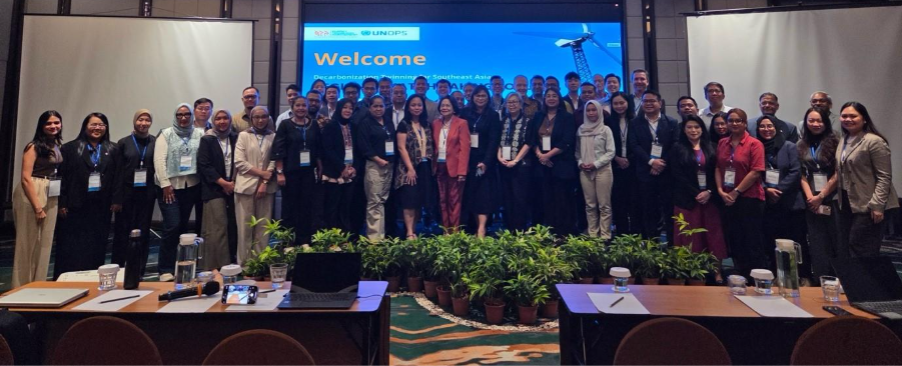
A key milestone in that process was the Regional Matchmaking Forum in Jakarta last February, which was structured as a working platform rather than a conventional conference – prioritizing problem-solving, peer exchange, and early-stage project shaping over presentations. It brought together industrial actors, local government representatives, technology and solution providers, financiers, advisors, and other enabling institutions to explore where alignment existed and what would be needed to turn interest into implementable pathways.
A consistent message across discussions was that the barrier is rarely a lack of solutions, but the difficulty of applying them in context. Participants highlighted familiar constraints: limited baseline data, weak monitoring systems, uncertainty in commercial structuring, fragmented coordination, and regulatory hurdles. These discussions reinforced that the challenge is not only identifying what can be done, but structuring how it can be done well.
The Twinning initiative creates a framework for moving beyond general commitment and toward more grounded collaboration. Seven priority clusters were identified for progression into the next phase, where participants committed to exploring concrete decarbonization pathways within their respective sectors of industrial parks, local governments, real estate, tourism, food and beverage, and textiles.
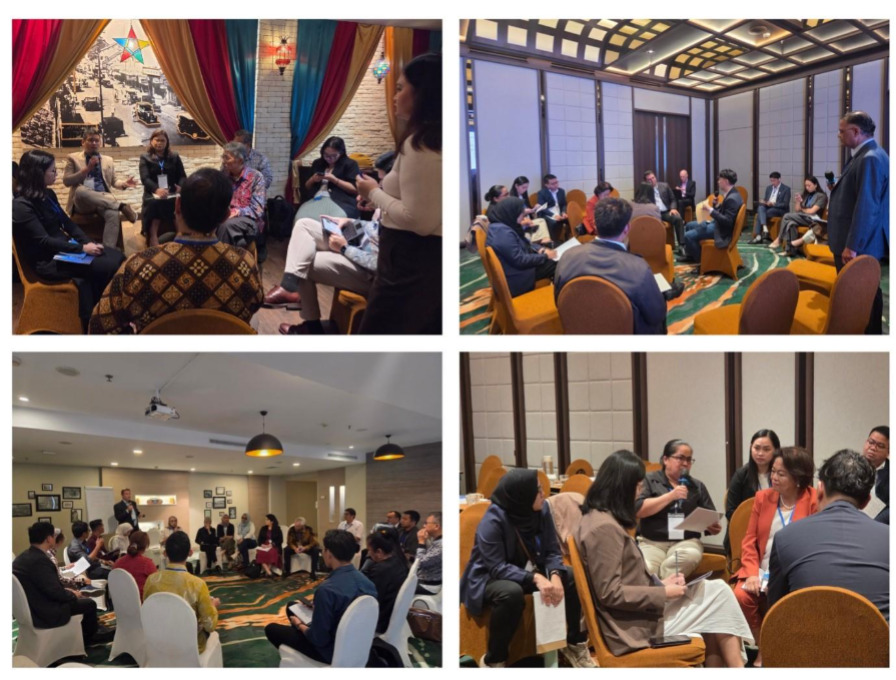
That work is now progressing through facilitated advisory sessions, where participants are refining priority interventions, from fuel switching and renewable energy deployment to emissions baselining and integrated planning, while identifying the technical, institutional, and financing requirements needed to move forward. Confirmed participants include Clark Development Corporation, DEEP C Industrial Zones, Sinar Mas Land, Mindanao Development Authority, and the City Government of Butuan. The aim is to ensure that each pathway is shaped by both local realities and regional relevance.
What the project makes clear is that decarbonization does not advance through isolated action alone. It depends on coordination across a wider ecosystem of actors, including project proponents, technical partners, regulators, financiers, and local authorities. Twinning offers a way to organize that complexity. It helps transform peer exchange into something more structured and strategic, while keeping the focus firmly on implementation.
This model is designed to be replicable, providing a structured approach that can be applied across sectors, geographies, and partnership contexts where coordinated decarbonization is required.
The next phase of the project will focus on validating problem areas, mapping relevant ecosystem actors, and developing Decarbonization Strategy Frameworks for confirmed sectors. These frameworks are intended to support clearer decision-making, stronger implementation planning, and more informed investment-oriented dialogue.
That is the value of the Twinning Project: its ability to move beyond dialogue, structuring collaboration to enable organizations to translate shared challenges into actionable, implementation-ready pathways.
Read more about the initiative here: https://www.energytransitionpartnership.org/projects/decarbonization-twinning-initiative/
If you are exploring similar sector-level challenges or are interested in applying this model in your context, we would be glad to connect: connectwithus@asiacleanenergypartners.com.