Beyond Transition: Reflections from ACEF 2026
As the clean energy community continues to build on the conversations and connections formed at ACEF 2026, we have been reflecting on what the Forum revealed about the practical work needed to support Asia’s energy transition.
ACE Partners’ connection to the Asia Clean Energy Forum (ACEF) goes back a long way. Our Co-CEO Peter du Pont was one of the pioneers of the Forum, and ACE Partners has been supporting ACEF for nine years in a row. It was therefore a pleasure to be part of the 21st Asia Clean Energy Forum in Manila and to see how much it has grown over the years.
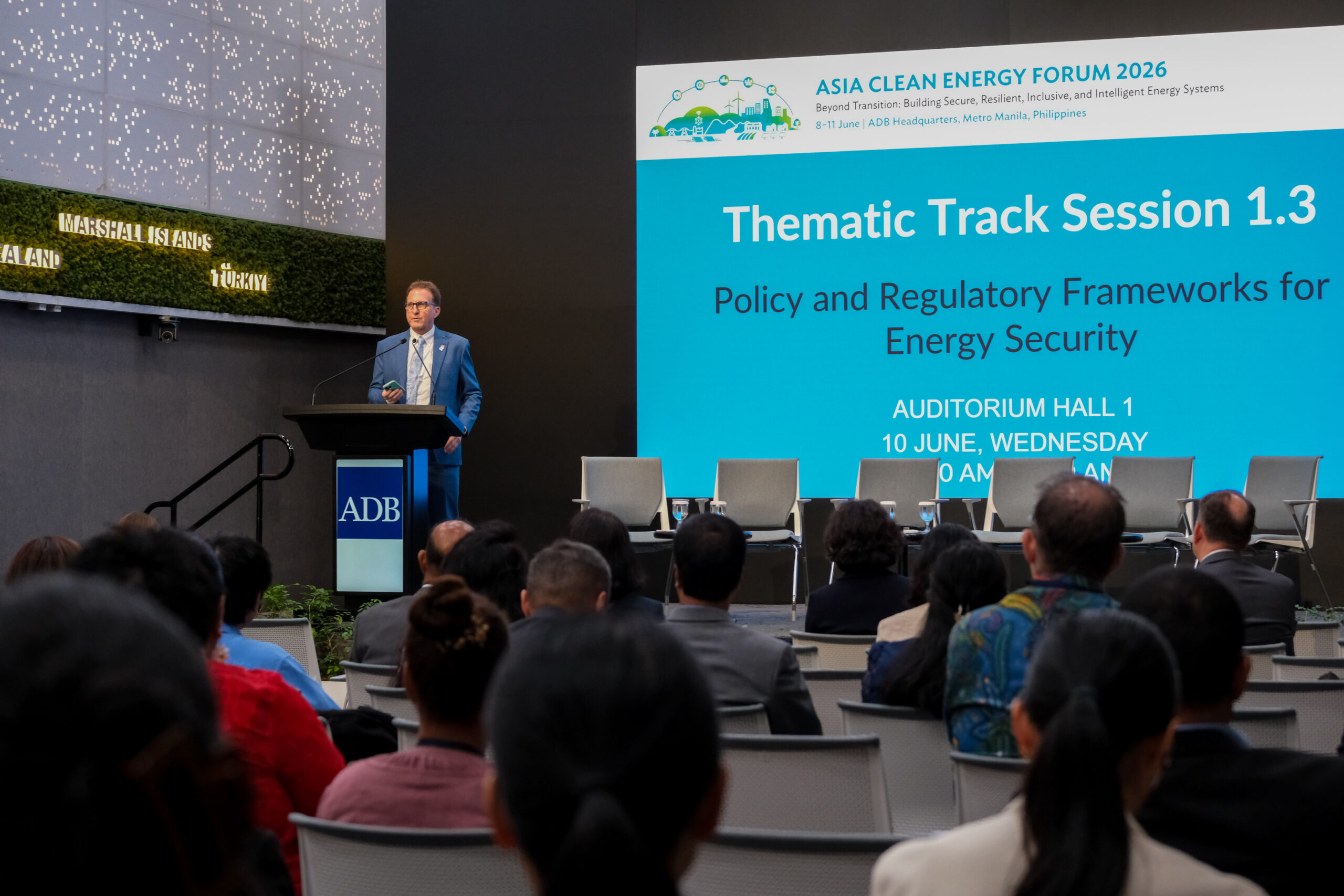
ACEF has always been a place for important clean energy conversations, but it has also evolved with the times. At ACEF 2026, the scale, diversity of participants, and even the use of a fully integrated mobile app reflected how much the Forum, and the energy transition itself, has changed. For us, the event was not only an opportunity to reconnect with long-time partners and meet new ones. It was also a chance to listen, learn, and look closely at where the region’s clean energy conversation is heading.
The theme, Beyond Transition: Building Secure, Resilient, Inclusive, and Intelligent Energy Systems, offered a useful frame for the discussions. For ACE Partners, those four words — secure, resilient, inclusive, and intelligent — also reflect much of the work we are already doing: helping partners move from clean energy goals to practical, coordinated, and impactful implementation.
Several reflections have stayed with us.
Beyond transition means making systems work
For us, “Beyond Transition” was less a slogan than a reminder of how much practical work sits behind the energy transition. Expanding renewables remains urgent and important, but clean energy only delivers when the surrounding system is ready: grids that can absorb it, rules that make investment possible, institutions that can implement, financing that fits real project risks, and stakeholders who understand their roles.
Good ideas can stall if policies are unclear, if projects are not ready for investment, or if the right actors are not aligned early enough. Technically strong solutions can also struggle if people do not understand why they matter or how they may be affected.
For ACE Partners, this is familiar ground. Much of our work involves helping governments, development partners, financiers, companies, and regional platforms turn complex clean energy goals into steps that can be acted on.
Intelligent systems still need clear language
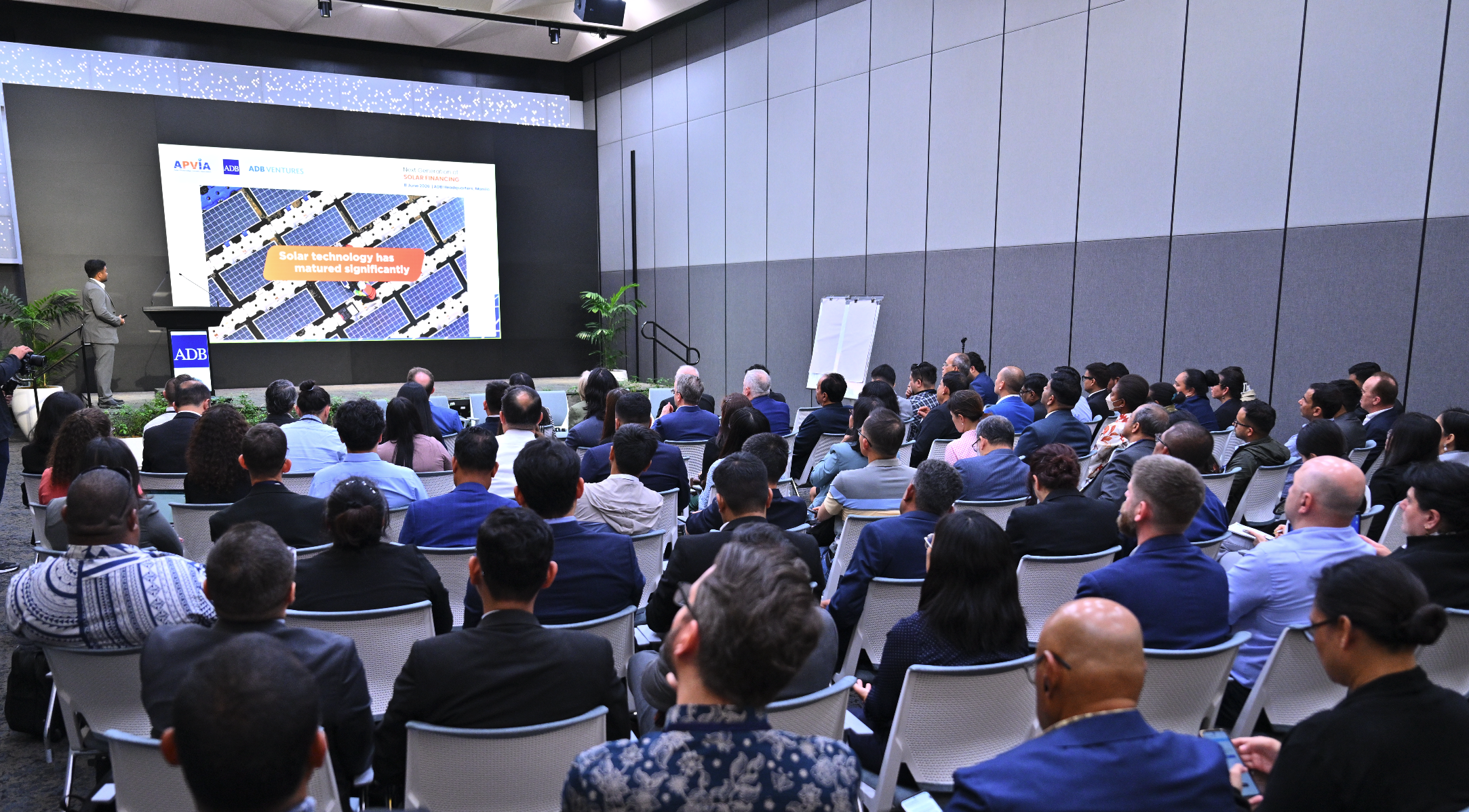
The Forum discussions covered highly technical subjects, including grid modernization, regional interconnection, energy storage, AI, data centers, nuclear energy, project bankability, and industrial decarbonization.
The transition requires technical depth, but it also needs translation. Different audiences need to understand what these issues mean for reliability, affordability, competitiveness, resilience, and development. A government ministry may need a policy perspective. A financier may need clarity on risks and returns. A company may need to see the business case. A regional platform may need to turn lessons from one country into knowledge that others can use.
This is part of the value ACE Partners brings: helping make complex energy issues clear enough to understand, practical enough to use, and specific enough to support decisions.
Secure and resilient systems depend on connective work
ACEF also reinforced that clean energy systems are not built by technology alone. Renewables, storage, grids, and digital tools are essential, but they only deliver impact when the right enabling conditions are in place.
Some of these conditions are visible, such as infrastructure and investment. Others are less visible but just as important: policy certainty, market readiness, clear risk allocation, institutional capacity, stakeholder trust, and sustained coordination. This is the connective work of the transition, and an area in which ACE Partners often supports its partners.
For example, a clean energy strategy may identify the right technologies, but implementation still depends on whether institutions are ready, investors understand the risks, companies see viable opportunities, and stakeholders are aligned around the next steps. Without these links, even strong ideas can remain at the planning stage.
Regional learning helps turn the theme into practice
ACEF itself demonstrates why regional learning platforms matter. Countries across Asia and the Pacific face similar pressures: rising electricity demand, climate risks, financing constraints, grid integration challenges, and the need for more resilient energy systems. But each country starts from a different policy, institutional, economic, and technical context.
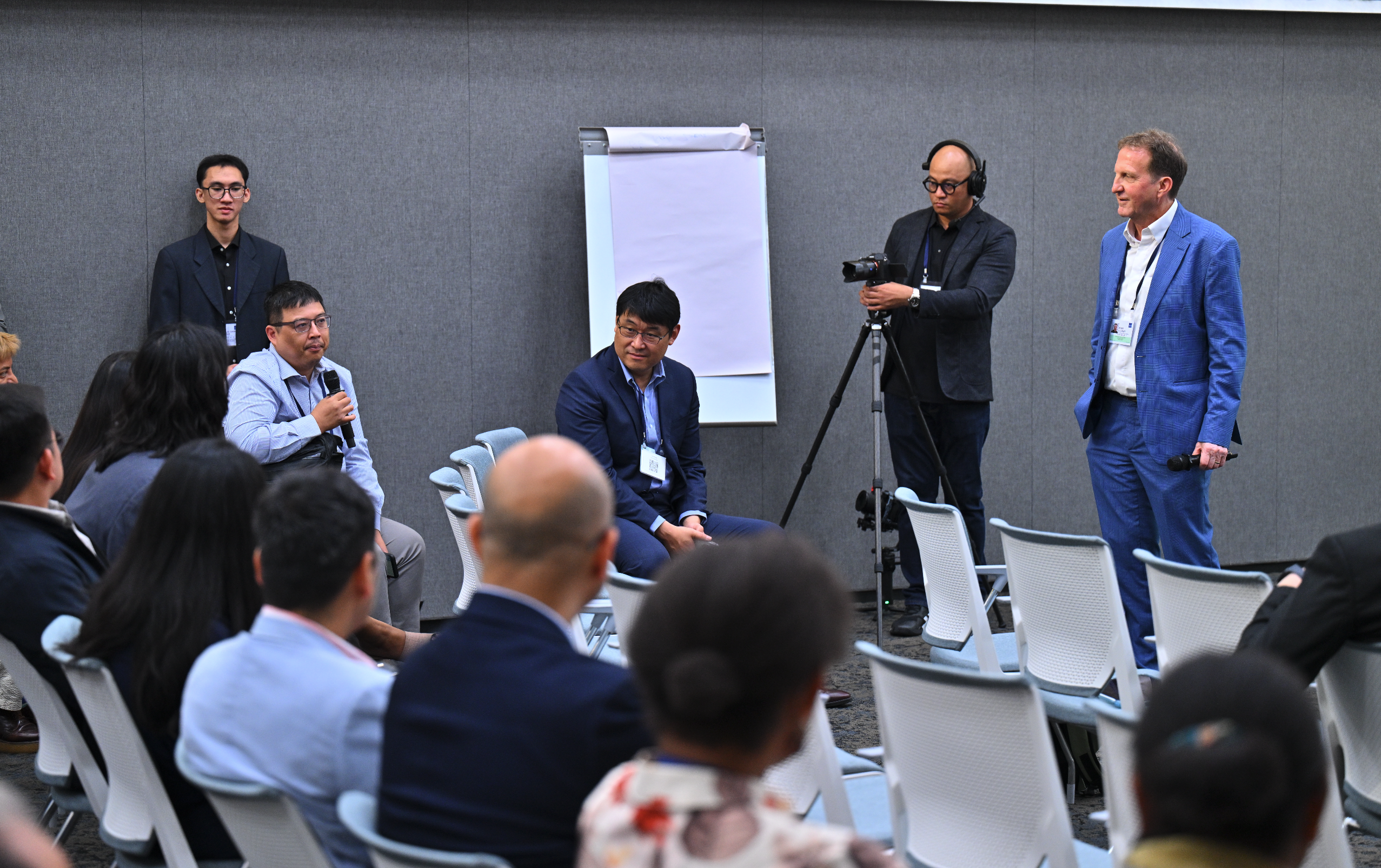
Forums, dialogues, knowledge products, interviews, and peer-learning spaces help move lessons across borders. They allow governments, development partners, financing institutions, companies, experts, and civil society to compare experiences, ask practical questions, and build relationships and trust.
ACE Partners has seen the value of this through our own work supporting regional engagement and knowledge exchange. The transition needs more than one-way information sharing. It needs spaces where people can learn from each other, identify what delivery really requires, and form the partnerships to make them happen.
ACEF 2026 showed that “beyond transition” is ultimately a practical agenda: making energy systems more secure, more resilient, more inclusive, and more intelligent in ways that can be delivered on the ground.
Asia’s clean energy transition will require the steady work of connecting people, institutions, policies, finance, and ideas. That is where ACE Partners is glad to play its part.